
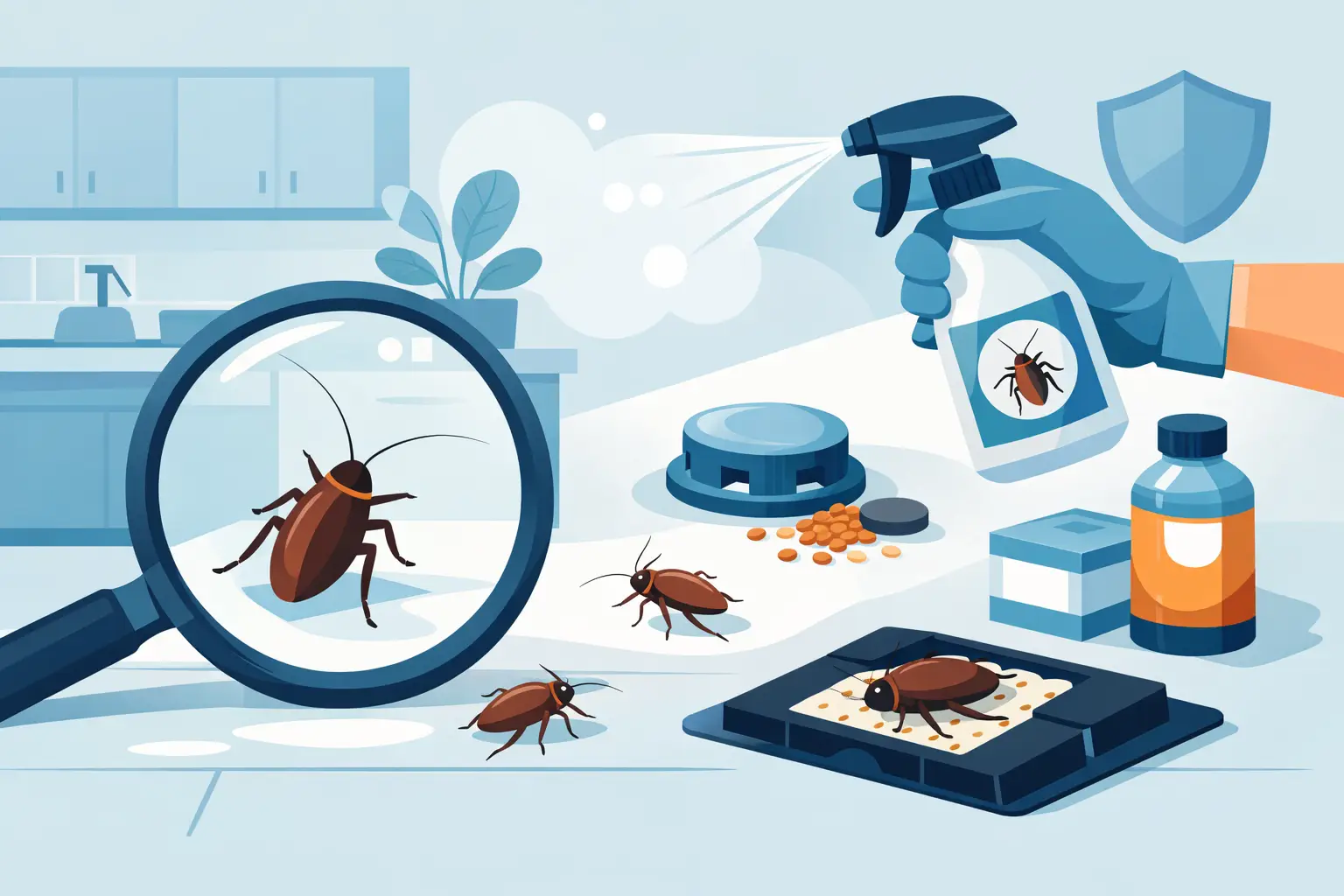
You usually know you have roaches before you see a full infestation. It starts with one in the kitchen at night, a quick movement under the sink, or droppings near the pantry. If you are wondering how to kill cockroaches safely, the goal is not just to knock down the ones you can see. The real job is to control the colony without creating new risks for your family, pets, or workplace.
That matters in homes across South King County, where roaches can spread bacteria, trigger allergies, and settle into warm, hidden spaces fast. The safest approach is targeted, low-exposure treatment paired with cleanup and exclusion. Spraying everything in sight may feel productive, but it often makes the problem harder to solve.
How to kill cockroaches safely without making the problem worse
The first rule is simple: avoid overusing foggers, total-release bombs, or random store-bought sprays. These products can push roaches deeper into walls, behind cabinets, and into neighboring rooms. They also leave unnecessary residue on surfaces where kids, pets, or food may be present.
A safer method starts with identifying where roaches are active. Kitchens, bathrooms, laundry rooms, utility closets, and break rooms are the usual hotspots because they offer moisture, food, and cover. Look for droppings that resemble black pepper or coffee grounds, smear marks along edges, egg cases, or a musty odor in heavy infestations.
Once you know where activity is concentrated, use products and tactics designed for crack-and-crevice control instead of broad surface exposure. Gel baits, bait stations, insect growth regulators, and carefully applied dusts are usually more effective and safer than open spraying when used correctly. They work because roaches carry the treatment back to the nest, which helps reduce the hidden population.
Start with sanitation and moisture control
No treatment works well if roaches still have easy access to food and water. Before applying anything, clean the areas where they are active. Wipe up grease, crumbs, and spills. Empty trash regularly and use bins with tight lids. Store dry goods like cereal, rice, flour, and pet food in sealed containers rather than original cardboard or loosely closed bags.
Water is just as important. Roaches can survive longer without food than without moisture, so fix leaking pipes, sweating plumbing, and dripping faucets. Dry sink basins overnight if possible. In bathrooms and laundry areas, reduce standing water and improve airflow where humidity builds up.
This part is not glamorous, but it changes the outcome. If roaches still have what they need to survive, they may ignore bait or recover quickly after treatment.
The safest products for indoor cockroach control
For most homes and small commercial spaces, gel bait is one of the best answers to how to kill cockroaches safely. It can be placed in tiny amounts in cracks, corners, under sinks, behind appliances, and inside cabinet hinges where roaches travel. Because the product is applied in small, targeted spots, there is less risk of widespread contamination.
Bait stations can also work well, especially in homes with children or pets, because the active ingredient is enclosed. They are useful under appliances, behind toilets, and along walls in utility areas. The trade-off is that stations are less flexible than gel in tight or irregular hiding spots.
Insect growth regulators are another smart option. These do not always kill adult roaches immediately, but they disrupt reproduction and help break the life cycle. If you are dealing with German cockroaches, which reproduce quickly indoors, this can make a major difference over time.
Dust products can be effective in wall voids, under cabinets, and around plumbing penetrations, but they need careful handling. More is not better. A light, nearly invisible application is what works. Heavy piles of dust can actually repel insects and create unnecessary exposure. If you are not experienced with dusting tools and label directions, this is one area where professional service is usually the safer choice.
What to avoid when kids and pets are in the home
If you have children or pets, skip any treatment plan that relies on open puddles of spray, heavy baseboard applications, or products not clearly labeled for indoor residential use. Never place bait where a child can touch it or a pet can chew it. Keep treatments inside cracks, behind fixed appliances, or in enclosed stations whenever possible.
You should also avoid mixing products. For example, if you spray over bait placements, you can make the bait less attractive and reduce results. Roach control works best when each product has a clear role.
Label directions matter. They are not suggestions. The safest product can still become a problem if it is overapplied, placed on food-contact surfaces, or used in the wrong area. If you are unsure whether a product is appropriate for your kitchen, daycare area, restaurant storage room, or apartment unit, it is better to pause than guess.
Why store sprays often disappoint
Contact sprays can kill the roaches you hit directly, and there is some value in that for immediate relief. But most infestations are not living out in the open. Roaches hide in wall voids, appliance motors, cabinet gaps, drain areas, and other protected spaces during the day.
That means a spray-only approach usually removes the evidence without removing the source. In some cases, it scatters the colony and makes monitoring harder. If you have seen multiple roaches during daylight hours, that is often a sign the population is already crowded and established. At that point, deeper control is usually needed.
Prevention is part of safe roach control
Killing active roaches is only half the job. To keep them from coming back, seal the access points they use to move through the building. Caulk gaps around pipes, repair torn door sweeps, seal cracks where baseboards meet walls, and close openings around utility lines.
Appliances deserve extra attention. Roaches love the warm, hidden areas behind refrigerators, dishwashers, and stoves. Pull them out carefully, vacuum debris, and clean the floor and wall area behind them. In apartment buildings, condos, and multi-tenant commercial properties, shared walls can make reinfestation more likely, so building-wide cooperation may be necessary.
For businesses, especially restaurants, offices with break rooms, daycare centers, and retail spaces, prevention also means tightening sanitation routines and scheduling regular inspections. A small issue caught early is much safer and less disruptive than a full infestation.
When to call a professional for safe cockroach treatment
If you are seeing roaches regularly, finding egg cases, or noticing them in more than one room, there is a good chance the infestation is beyond a quick DIY fix. The same is true if you live in a multi-unit property, manage a commercial space, or need treatment that protects sensitive environments.
Professional service is not just about stronger products. It is about using the right products in the right places, with the right follow-up. A licensed team can identify the species, target the nesting areas, and build a treatment plan around safety, not guesswork. That often includes EPA-approved materials, low-exposure application methods, and follow-up visits to make sure the problem is actually gone.
For local homeowners and businesses, that matters. A fast response can stop a small roach problem from turning into a much bigger one, especially in kitchens, rental properties, and occupied workplaces. Plateau Pest handles cockroach issues with family-safe, practical treatment plans designed to solve the problem without creating unnecessary risk.
A smart plan for how to kill cockroaches safely
If you want the safest path, think in layers. Clean up food and moisture sources, place bait where roaches actually travel, avoid broad spraying, and seal entry points once activity drops. Monitor the results over the next couple of weeks rather than expecting a one-day fix.
Roaches are resilient, and safe control takes some precision. But with the right approach, you can reduce the infestation without filling your home or business with unnecessary chemicals. The best next step is the one that solves the problem and still lets you feel confident about the people and pets sharing the space.