
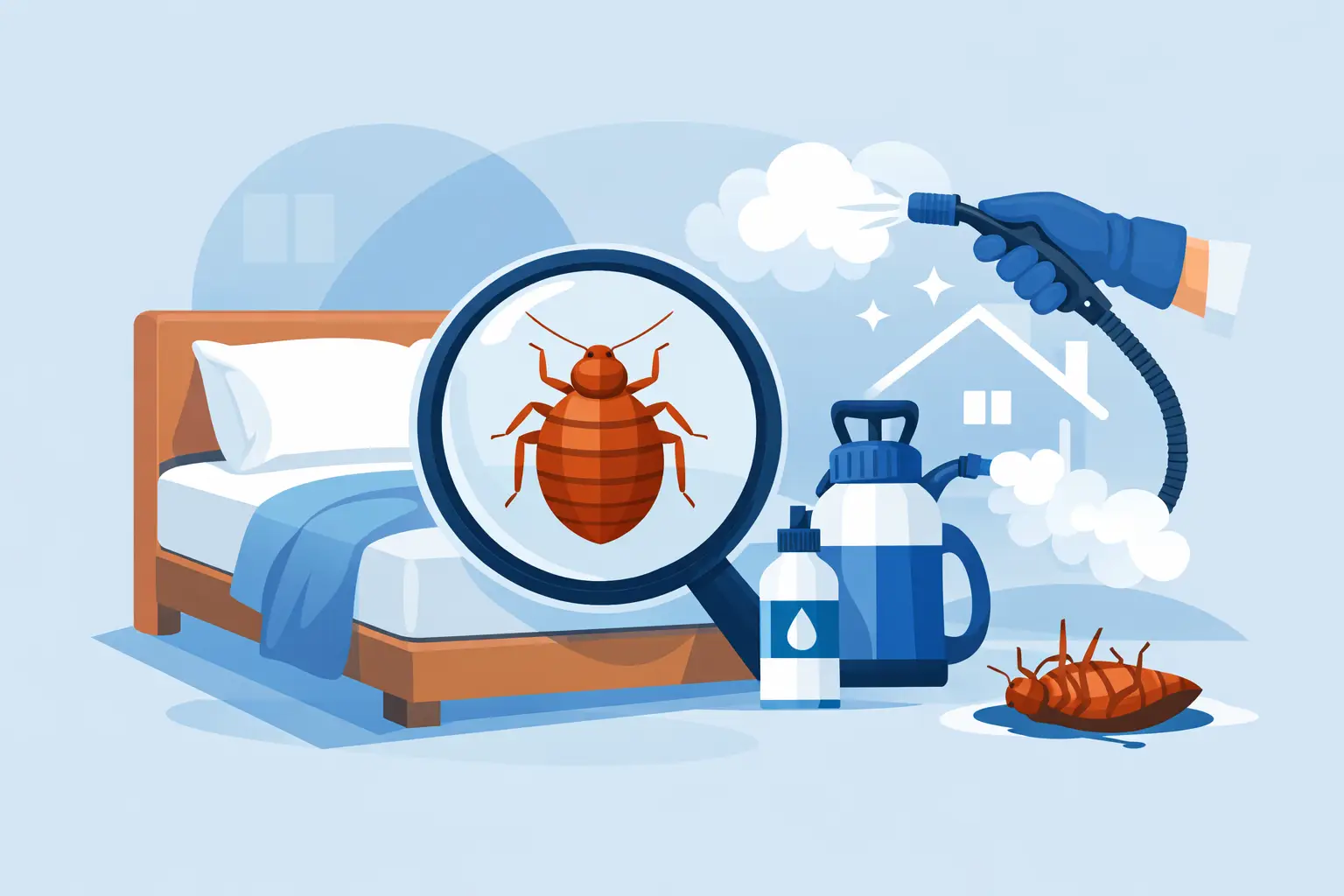
You usually do not notice bed bugs during the day. You notice them at 2 a.m., when you flip on a light, spot small dark marks on the sheets, or wake up with bites that were not there the night before. A good bed bug treatment guide starts there – with fast action, a clear plan, and no guesswork.
Bed bugs are stressful, but they are treatable. The key is moving quickly and being thorough. If you only treat what you can see, the problem often comes right back. If you know where they hide, how treatment works, and when to bring in professional help, you can stop the spread and get your home back to normal faster.
What this bed bug treatment guide covers
Bed bug control is not just about spraying a mattress and hoping for the best. These pests hide in seams, headboards, bed frames, baseboards, furniture joints, and even nearby electronics or wall voids. They are small, flat, and good at staying out of sight.
That is why the best approach combines inspection, targeted treatment, careful prep, and follow-up. Homes with light activity may be resolved faster. Heavy infestations, multi-unit housing, and cluttered rooms usually take more time and more than one visit. That is normal.
How to tell if you have bed bugs
Bites alone are not enough to confirm bed bugs. People react differently, and many other pests can leave similar marks. What matters is finding physical evidence.
Look for small reddish or rust-colored stains on sheets, tiny dark spotting near mattress seams, shed skins, or live bugs around the bed area. Adults are about the size of an apple seed, while younger bed bugs are much smaller and lighter in color. You may also notice them along the edges of a box spring, behind the headboard, around nightstands, or inside cracks near the bed.
If the room is heavily infested, bed bugs may spread beyond the sleeping area into couches, chairs, laundry piles, and nearby rooms. In apartments, condos, and attached housing, they can also move between units.
First steps after you find them
The first reaction is often to throw everything out or start moving items from room to room. That usually makes things worse. Bed bugs spread easily when infested belongings are carried through the home.
Start by reducing movement. Keep bedding, clothing, and soft items contained in sealed bags until they can be washed and dried on high heat. Avoid sleeping in a different room if possible. When people relocate, bed bugs often follow, creating a second infestation site.
You should also avoid heavy use of store-bought foggers or bug bombs. These products rarely reach hiding spots and can push bed bugs deeper into walls, furniture, and adjoining rooms. Quick fixes feel satisfying in the moment, but they often delay real control.
The most effective bed bug treatment options
A practical bed bug treatment guide has to be honest about this: there is no single magic product. The right treatment depends on how widespread the activity is, how long it has been present, and how much clutter or furniture coverage exists in the affected area.
Heat treatment
Heat is one of the fastest and most effective options when done correctly. Professional heat treatment raises temperatures high enough to kill bed bugs and eggs throughout the treated space. The biggest advantage is reach. Heat can penetrate many of the hiding areas that sprays alone may miss.
That said, heat is not a casual DIY project. Proper monitoring is critical, and certain items must be removed or protected. In some situations, heat may also be paired with other treatment methods for better long-term results.
Targeted liquid and dust applications
Professional products applied to cracks, crevices, bed frames, baseboards, and furniture joints can be very effective. Dusts may be used in voids and other hidden spaces where bed bugs travel. This approach works well when the treatment is precise and the home is properly prepared.
The trade-off is that results are not always instant. You may still see activity for a short period after service, especially if eggs hatch after the first visit. That is why follow-up matters.
Steam treatment
Commercial-grade steam can kill bed bugs on contact in seams, tufts, upholstered furniture, and other surface hiding spots. It can be useful as part of a broader treatment plan, especially in sensitive areas where liquid products are not the best fit.
Steam has limits, though. It only works where it is directly applied, and poor technique can scatter bugs or miss deeper harborage areas.
Mattress and box spring encasements
Encasements do not eliminate an infestation on their own, but they are a smart support step. They trap any bugs already inside and reduce the number of places bed bugs can hide in the future. They also make inspections much easier.
How to prepare for bed bug treatment
Preparation can have a big impact on results. If a provider gives you a prep sheet, follow it closely. Skipping steps often means longer treatment timelines.
Most prep includes washing and drying linens, clothing, and nearby fabrics on high heat, then sealing clean items in bags until treatment is complete. Beds usually need to be stripped, furniture may need to be pulled slightly from walls, and clutter should be reduced so technicians can access baseboards, frames, and furniture edges.
Preparation should be organized, not frantic. You do not need to empty your whole house unless you are specifically told to. In fact, overhandling items can spread bed bugs farther. Focus on the rooms with known activity and the nearby spaces identified during inspection.
What to expect after treatment
A lot of customers expect zero signs by the next morning. Sometimes that happens, but often there is a short window where lingering activity is still visible. That does not automatically mean treatment failed.
Bed bugs may emerge from hiding after service, and eggs that survived an earlier stage can hatch before follow-up treatment finishes the job. This is especially true in larger infestations. What matters is the trend. Activity should decrease over time, not stay the same or get worse.
You may also be asked to keep monitoring sleeping areas, continue laundering certain items, and leave treated zones undisturbed for a period of time. Professional follow-up is one of the biggest reasons customers get lasting results instead of temporary relief.
When DIY can help and when it usually falls short
DIY steps can support control. Washing, drying, vacuuming, reducing clutter, using encasements, and limiting spread all help. For a very early and isolated issue, these steps may buy time and reduce the population.
But DIY usually falls short once bed bugs are established in multiple hiding places. Store products are often overapplied, used in the wrong locations, or relied on for too long. That costs time, adds stress, and can allow the infestation to grow.
If you are seeing bugs in more than one room, finding repeated signs after your own efforts, or dealing with a rental, apartment, or commercial property, professional service is usually the faster and more affordable path in the long run.
Choosing a provider in South King County
If you are hiring help, ask practical questions. How soon can they inspect? What treatment methods do they use? Are the products EPA-approved? Do they offer follow-up visits? Can they explain prep in plain English? Fast scheduling matters, but so does a plan that is thorough.
For homeowners and property managers in Kent, Covington, Maple Valley, Auburn, Renton, Bellevue, and South Seattle, local experience counts. Bed bug jobs are rarely one-size-fits-all. A dependable company should know how to treat homes, apartments, and commercial spaces without overcomplicating the process. Plateau Pest approaches bed bug work the same way it handles other urgent pest issues – with responsive service, safe treatment options, and follow-up support that helps customers finish the job instead of starting over.
How to keep bed bugs from coming back
Prevention is never perfect, but you can lower the odds of another problem. Inspect luggage after travel. Be cautious with secondhand furniture, especially beds, couches, and upholstered chairs. Use protective encasements where appropriate, and keep sleeping areas easier to inspect by reducing clutter around beds and baseboards.
In shared housing or commercial settings, early reporting is just as important as prevention. The longer bed bugs go unreported, the farther they spread and the more involved treatment becomes.
The most useful bed bug treatment guide is the one that gets you moving in the right direction right away. If you act early, avoid panic-driven mistakes, and get solid follow-up when needed, bed bugs can be handled – and your home can feel like yours again.