
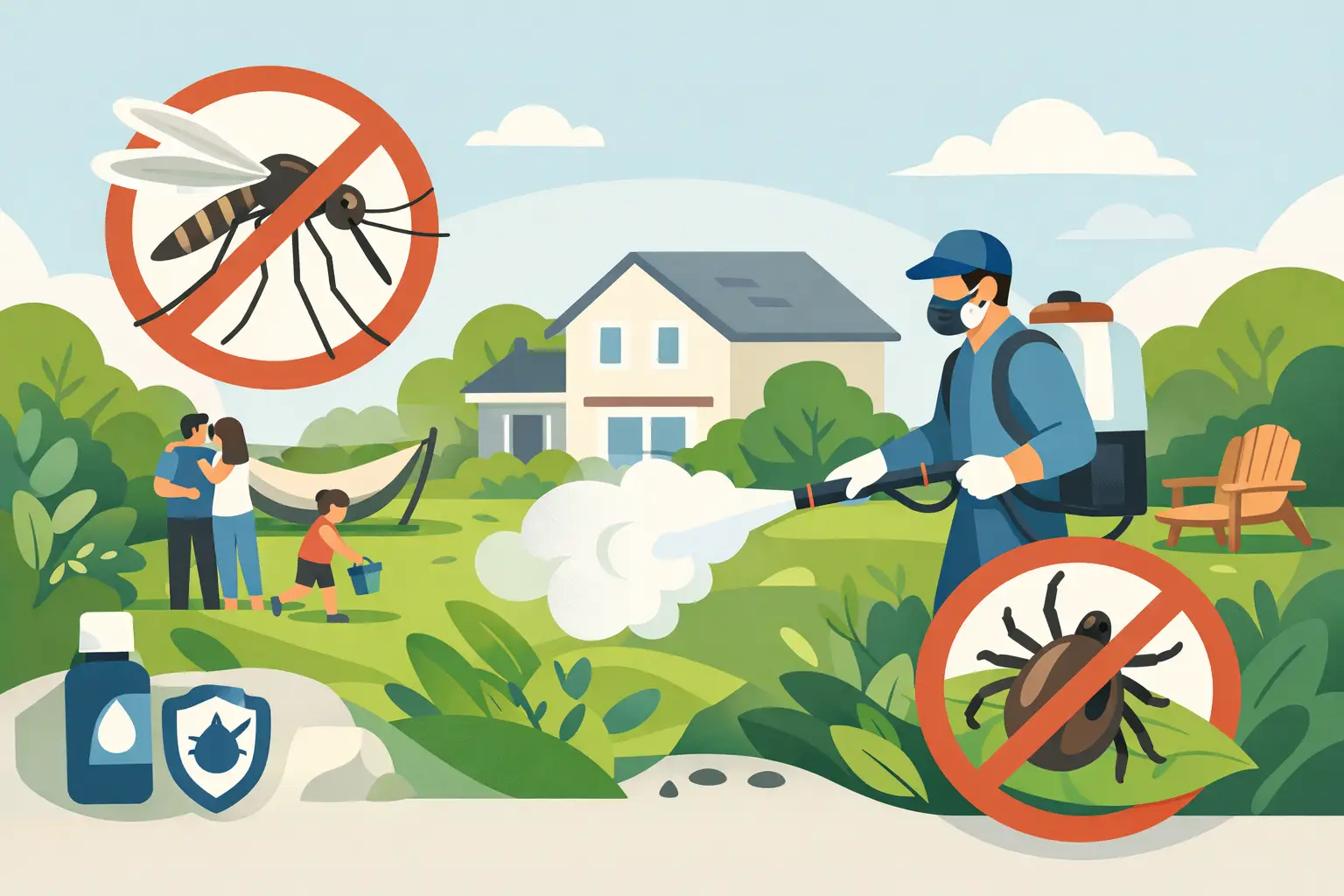
Backyard plans change fast when mosquitoes start swarming at dusk or ticks turn up on pets, kids, or clothing after a walk through the yard. The right mosquito and tick treatment does more than knock down pests for a day – it helps you take back your outdoor space with a plan that fits your property, your schedule, and the way these pests behave in South King County.
If you live in Kent, Covington, Maple Valley, Auburn, Renton, Bellevue, South Seattle, or nearby communities, you already know the pattern. Warmer months bring more time outside, but they also bring standing water, shaded landscaping, overgrown edges, and all the conditions mosquitoes and ticks like best. A quick spray from the hardware store might help for a weekend. It usually does not solve the source of the problem.
What good mosquito and tick treatment should actually do
A lot of people think treatment means one visit and instant results forever. Realistically, that is not how outdoor pest control works. Mosquitoes can breed quickly, and ticks can stay hidden in leaf litter, tall grass, dense shrubs, and moist shaded areas. A good treatment plan starts by reducing active populations, but it also focuses on where these pests rest, travel, and reproduce.
That means a professional approach should include inspection, targeted application, and practical prevention advice. It should also account for the layout of the property. A small sunny yard with little vegetation is different from a large shaded lot near greenbelts, trails, or drainage areas. One-size-fits-all service sounds simple, but it often leaves the hardest-hit areas untreated.
Why mosquitoes and ticks keep coming back
The biggest reason outdoor pest issues return is that the environment keeps supporting them. Mosquitoes need water to breed, but it does not take much. Clogged gutters, planter trays, toys, tarps, neglected birdbaths, and low spots in the lawn can all hold enough water to create a problem. Even when adult mosquitoes are treated, new ones can emerge if breeding sites remain.
Ticks are different, but the same idea applies. They do well in humid, protected areas and often move in with wildlife or pets. If your yard backs up to wooded space, has heavy ground cover, or stays damp through much of the day, ticks have what they need to survive. You can treat the property effectively, but long-term control usually improves when yard conditions are addressed too.
This is where local experience matters. What works on a dry, open commercial lot may not be the right strategy for a shaded family backyard in Kent or a larger residential property in Maple Valley.
How professional mosquito and tick treatment is different
Store-bought products can help in small, limited situations, but they usually come with trade-offs. Some provide short-lived relief. Others are broad applications that are easy to overuse or apply in the wrong places. Many homeowners also do not have the time to keep up with repeat treatments during peak season.
Professional mosquito and tick treatment is more targeted. The goal is not to spray every surface just because it is there. It is to treat the areas where mosquitoes rest and where ticks are most likely to wait for a host. That often includes shaded vegetation, perimeter zones, fence lines, under decks, landscape beds, and transitions between lawn and brush.
For families and businesses, safety matters just as much as results. Treatments should use EPA-approved products and application methods that are chosen for the setting. That is especially important when children, pets, customers, or employees use the space regularly.
When to schedule mosquito and tick treatment
Timing matters more than many people realize. If you wait until outdoor activity is miserable, you are already behind the curve. Early-season treatment can reduce buildup before populations peak. During the main mosquito season, recurring service often gives better results than a single visit because it interrupts the cycle more consistently.
Ticks can be active across a surprisingly broad window depending on weather and habitat. That is one reason homeowners sometimes get caught off guard. They assume ticks are only a deep-woods problem or only active for a few weeks. In reality, properties with shade, moisture, and animal traffic can see ongoing pressure.
If you are planning outdoor gatherings, regular use of patios, or summer play in the yard, it makes sense to schedule ahead instead of reacting after bites start. For commercial properties, especially those with outdoor seating, customer foot traffic, or landscaped common areas, being proactive also helps protect comfort and reputation.
Signs your property needs treatment now
Sometimes the issue is obvious. You step outside in the evening and get swarmed. Your dog comes in with ticks. Kids come back from playing near the fence line with bites around their ankles. Other times, the signs are easier to miss.
For mosquitoes, watch for increased activity around shrubs, under covered patios, near standing water, or in shaded corners of the yard. For ticks, be alert if your property borders woods, if wildlife frequently passes through, or if grass and ground cover have been left unmanaged. A single tick sighting does not always mean a major infestation, but it is a sign the environment may be favorable.
The main point is simple: if outdoor use has changed because people are trying to avoid bites, the problem is already affecting daily life.
What homeowners and businesses can do between visits
Treatment works best when it is paired with basic prevention. You do not need to overhaul the entire landscape, but a few practical steps can reduce pressure between services.
Dump standing water regularly, trim back dense vegetation, keep grass cut, and reduce leaf litter in shaded areas. If pets spend time outdoors, check them often. If your property includes playgrounds, patios, or seating areas near heavy landscaping, keeping those edges maintained can make a noticeable difference.
That said, there is a limit to what cleanup alone can do. Some properties naturally attract more mosquito and tick activity because of nearby habitat, drainage patterns, or surrounding vegetation. Good maintenance helps, but it does not replace treatment when populations are established.
Choosing the right mosquito and tick treatment plan
The best plan depends on how you use the property and how persistent the issue is. For some homes, a one-time service makes sense before an event or during a sudden spike in activity. For others, recurring treatment is the more practical option because it provides steadier control throughout the season.
Commercial properties often benefit from routine service because consistency matters. Apartment communities, offices, child care facilities, and customer-facing businesses cannot afford to ignore pest pressure outdoors. Even when the issue is mostly outside, it still shapes how people experience the property.
This is also where follow-up matters. Outdoor pests are not always solved perfectly in one visit, especially during peak season or on properties with heavy pressure. Working with a company that offers free follow-ups can make the difference between temporary relief and reliable control. Plateau Pest builds that kind of support into service because customers should not have to chase a solution after treatment starts.
What to look for in a provider
Not every pest control company approaches outdoor treatment the same way. Speed matters, but so does judgment. You want a provider that can respond quickly, explain the plan clearly, and treat the property with family and workplace safety in mind.
Local knowledge is a real advantage here. A technician who understands South King County properties can spot the problem areas faster and recommend a more practical schedule. Licensed and insured service, clear pricing, and dependable communication also matter. So does a company that respects your time and shows up ready to solve the issue instead of upselling you into confusion.
Affordable plans are important, but the cheapest option is not always the best value if it leaves you with repeat bites and no support. A better standard is simple: effective treatment, safe products, fast response, and follow-through when you need it.
Why fast action pays off
Mosquitoes and ticks are easier to manage before they spread across the property or become a recurring frustration. Once outdoor habits start changing – canceled barbecues, pets avoiding certain areas, guests complaining about bites – the cost is no longer just annoyance. It is comfort, use of space, and peace of mind.
A dependable mosquito and tick treatment plan helps protect all three. If your yard, common area, or commercial property has become less usable because of biting pests, the right next step is not to wait for the season to pass. It is to get ahead of the problem so the space feels like yours again.