
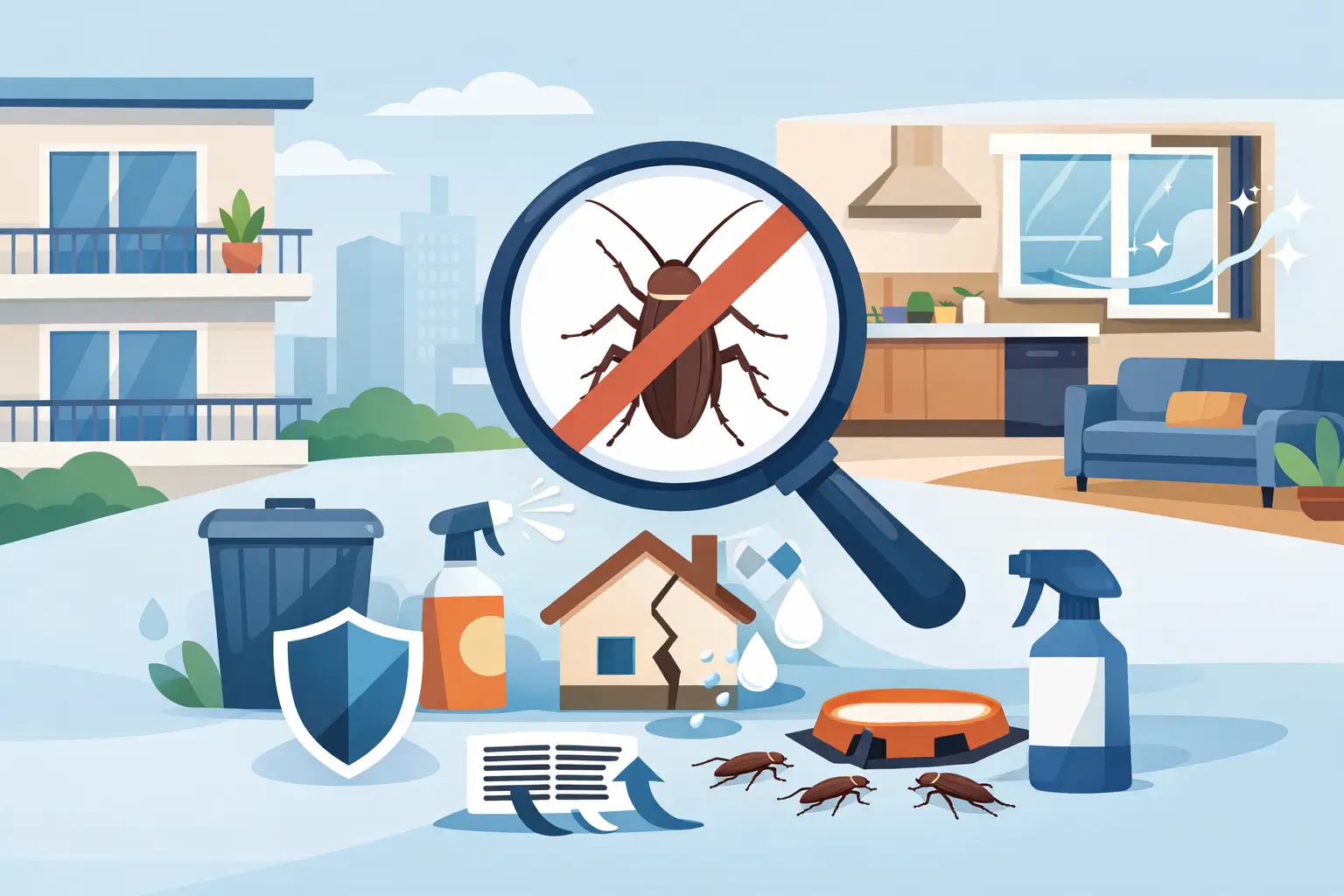
A cockroach sighting in an apartment is rarely just about one unit. Roaches can travel through wall voids, plumbing openings, shared hallways, and gaps around utility lines, which is why knowing how to prevent cockroaches in apartments takes more than setting out a trap after you see one. The goal is to remove what attracts them, close off the routes they use, and report activity early before a small issue spreads.
For renters, prevention is a shared responsibility between the resident and property manager. For landlords and building managers, quick communication and coordinated treatment protect both the property and the people who live there. Here is what makes the biggest difference.
Start With Food Storage and Daily Cleanup
Cockroaches do not need a messy apartment to survive, but crumbs, grease, open pet food, and overlooked spills make it much easier for them to settle in. Their food sources are often small and easy to miss: a few crumbs under a toaster, residue on a recycling bin, or grease behind the stove can support a growing population.
Wipe counters after cooking, sweep or vacuum kitchen floors regularly, and clean under small appliances when possible. Do not leave dirty dishes in the sink overnight, especially if you have noticed activity near the kitchen. Empty trash before it overflows and use a bin with a tight-fitting lid.
Dry goods should be stored in sealed containers rather than open bags or cardboard boxes. Cockroaches can feed on more than typical pantry items. Pet food, birdseed, paper products, and even glue in cardboard can be attractive. If your pet grazes throughout the day, consider putting food down at scheduled times and storing the bowl overnight.
Remove the Water Cockroaches Need
In South King County, damp weather can make indoor moisture problems especially noticeable. Cockroaches seek water just as reliably as they seek food, so a dripping faucet or a wet cabinet beneath the sink can keep them active even in an otherwise clean apartment.
Check under kitchen and bathroom sinks for slow leaks, wet pipe connections, or standing water. Dry the area after cleaning and avoid storing damp sponges, rags, or mop heads in enclosed cabinets. Run the bathroom fan during showers if one is available, and report ventilation problems or plumbing leaks to management promptly.
A cockroach can survive longer without food than without water. That means fixing moisture problems is often one of the most effective prevention steps a tenant can take.
Seal Entry Points Inside the Apartment
Apartment buildings have many hidden pathways. Roaches may enter around plumbing pipes beneath sinks, through gaps behind appliances, under loose baseboards, or around electrical outlets and utility penetrations. You may never see the actual route, but closing obvious gaps reduces their options.
Use appropriate caulk for small cracks along baseboards, cabinets, and wall seams if your lease allows it. For larger openings around pipes, ask property maintenance to seal them properly. A door sweep can also help if there is a visible gap under your front door or patio door.
Do not forget the kitchen. Pull the refrigerator or stove out carefully if you can do so safely, then look for food buildup, droppings, and gaps near the wall. These warm, dark spaces are common hiding areas. In multi-unit buildings, sealing openings will not solve every problem by itself, but it can slow movement between units and improve the results of professional treatment.
Keep Clutter From Becoming a Hiding Place
Cockroaches prefer tight, undisturbed spaces. Stacks of paper bags, cardboard boxes, crowded cabinets, and storage piled against walls give them places to hide close to food and water.
You do not need an empty apartment to prevent roaches. Focus on reducing clutter in the kitchen, bathroom, laundry area, and closets closest to plumbing. Recycle cardboard boxes quickly after deliveries, and use plastic bins with lids for long-term storage. Keep stored items raised off the floor when possible so you can clean and inspect behind them.
This also helps you spot a problem earlier. When cabinets and storage areas are packed tightly, droppings, shed skins, and egg cases can go unnoticed for weeks.
Know the Early Signs of a Cockroach Problem
Seeing a live cockroach is a clear warning, but it is not the only one. Look for several signs, especially in dark, warm, or damp areas:
- Small dark droppings that resemble black pepper or coffee grounds
- Brown, capsule-shaped egg cases near cabinets, appliances, or storage areas
- Shed skins or dead roaches in corners and behind appliances
- A musty, oily odor in areas with heavier activity
If you see these signs, take a photo and notify property management right away. Early reporting matters. Waiting until you see roaches regularly can allow them to reproduce and move into neighboring units.
How to Prevent Cockroaches in Apartments When Neighbors Are Affected
This is where apartment prevention differs from prevention in a single-family home. You can keep your unit clean and sealed, yet still see cockroaches if activity is coming from a nearby apartment, a trash room, a shared laundry area, or a plumbing chase.
Do not assume the issue reflects poor housekeeping in your home or someone else’s. Cockroaches are opportunistic pests, and they spread easily in connected buildings. A successful response may require inspection and treatment beyond one apartment.
Property managers should encourage residents to report sightings without embarrassment, respond to maintenance requests quickly, and schedule coordinated service when multiple units are involved. Treating only the apartment where roaches were first reported may offer temporary relief, but it can leave the source untouched.
For tenants, follow all preparation instructions before treatment. This may include clearing cabinets, removing food from treatment areas, allowing access behind appliances, or keeping children and pets away until it is safe to return. Skipping preparation can reduce treatment effectiveness and lead to repeat activity.
Be Careful With DIY Sprays and Foggers
Store-bought sprays can kill a cockroach you see, but they often do not reach the hidden population. Overusing repellant sprays may push roaches deeper into walls or into adjacent units. Foggers are also a poor fit for most apartment infestations because they do not penetrate the cracks and voids where cockroaches spend their time.
Bait products can be useful when placed correctly, but placement and sanitation matter. Do not spray strong chemicals near bait, since this can make roaches avoid it. Keep bait away from children and pets, and follow the label exactly.
If you are seeing roaches during the day, finding droppings repeatedly, or noticing activity in more than one room, it is time for professional help. Daytime sightings can indicate that hiding spaces are crowded or the infestation is becoming established.
Build Prevention Into the Building Routine
The best apartment cockroach prevention plan is ongoing, not a one-time deep clean. Tenants can clean food and water sources, reduce clutter, and report problems quickly. Property managers can maintain plumbing, seal utility gaps, inspect common areas, and arrange targeted treatment with follow-up visits.
For buildings in Kent, Covington, Maple Valley, Auburn, Renton, Bellevue, South Seattle, and nearby communities, Plateau Pest can help identify where cockroach activity is starting and provide practical treatment plans designed for apartments, families, pets, and busy property schedules. Professional service is most effective when it is paired with maintenance and clear communication between residents and management.
A clean counter is helpful, but prevention is really about consistency: keep food contained, keep moisture under control, eliminate hiding spots, and speak up at the first sign of activity. Those small actions give cockroaches far fewer chances to make your apartment their home.