
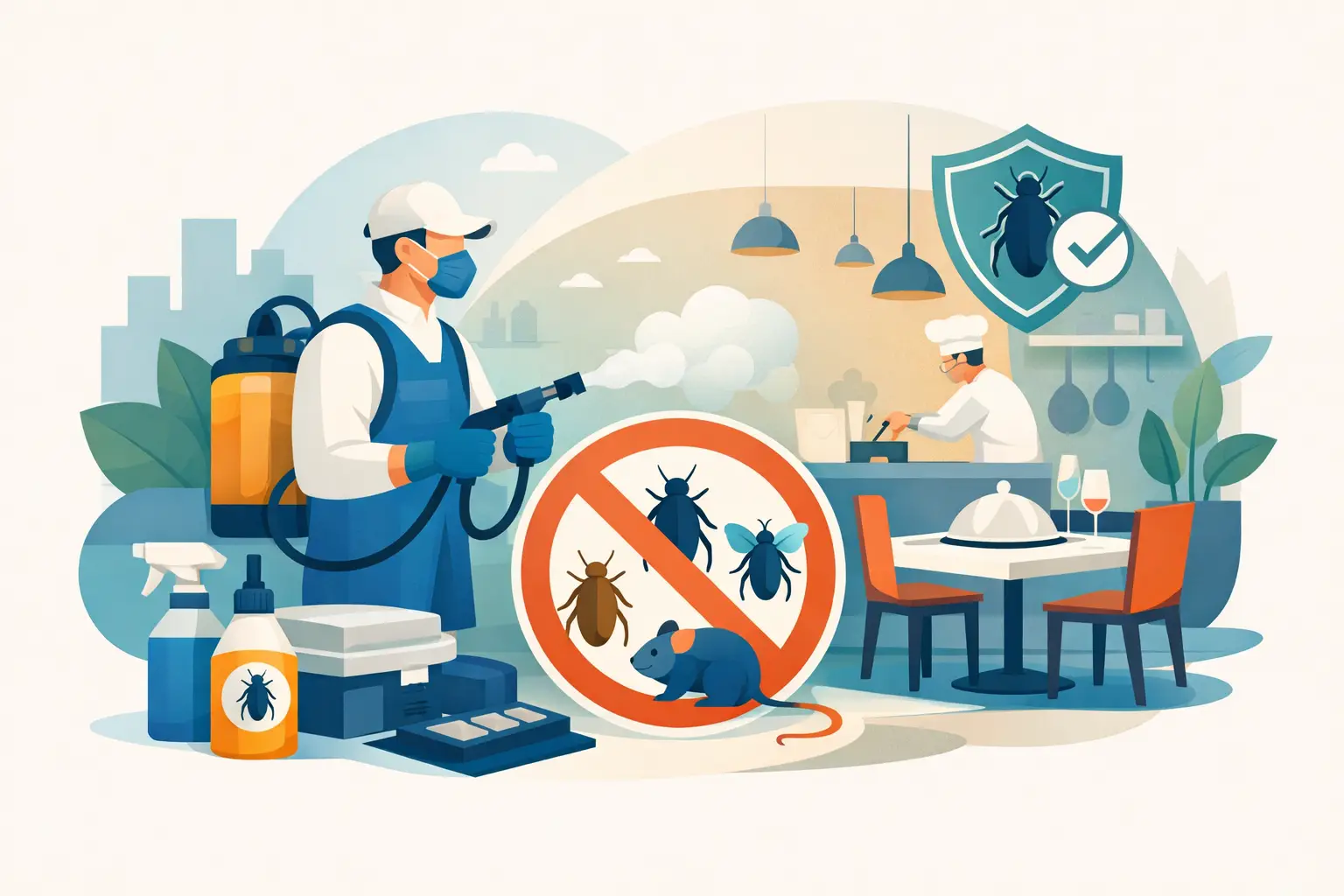
A single cockroach near a prep station, rodent droppings in dry storage, or fruit flies circling the bar can put much more than a shift at risk. For restaurant owners, the best pest control for restaurants is not a one-time spray after someone spots a pest. It is a fast, dependable plan that removes the active problem, protects food areas, and prevents the next inspection-day surprise.
Restaurants across Kent, Auburn, Renton, Bellevue, Covington, Maple Valley, and South Seattle face pest pressure all year. Wet Washington weather, frequent deliveries, dumpsters, floor drains, and warm kitchen equipment create ideal conditions for pests if small issues are allowed to grow. The right local pest control partner helps you stay ahead of that pressure without disrupting service or putting your staff and guests at risk.
What the Best Pest Control for Restaurants Includes
A restaurant needs more than a general residential pest treatment. Food service environments have strict sanitation needs, busy operating hours, and plenty of pest entry points that can be easy to miss. Effective commercial pest control should begin with a thorough inspection of the entire property, not just the place where a pest was found.
A trained technician should look at kitchens, dishwashing areas, bars, storage rooms, employee spaces, loading zones, trash enclosures, ceilings, utility penetrations, and exterior doors. That inspection identifies the pest, the likely source, the conditions helping it survive, and the safest way to treat it.
The strongest plans combine targeted treatment with prevention. Depending on the issue, that may include EPA-approved products, monitoring devices, baiting, exclusion work, sanitation recommendations, and scheduled follow-up visits. The goal is to use the least disruptive effective approach while keeping pests from returning.
For restaurants, speed matters too. Waiting a week while cockroaches breed or rodents keep entering through a damaged door sweep is rarely an option. Same-day or next-day availability can make a major difference when a pest problem threatens food safety, online reviews, or a health inspection.
The Pests Restaurants Cannot Ignore
Different pests require different treatment methods. A broad, one-size-fits-all service can leave the real source untouched.
Cockroaches
Cockroaches are among the most serious restaurant pests because they hide in tight, warm, humid spaces near water and food. They may be found behind refrigerators, under sinks, around dish machines, inside motor compartments, or near floor drains. Seeing one cockroach during daylight can be a sign of a larger population competing for hiding places.
Effective cockroach control requires detailed inspection, targeted treatments, monitoring, and repeat service when needed. Staff sanitation habits matter, but cleaning alone will not eliminate an established infestation. A professional plan should address harborage areas without leaving strong odors or creating unnecessary disruption in food preparation zones.
Rodents
Mice and rats can contaminate inventory, chew wires, damage insulation, and create a serious health concern. They often enter through gaps around pipes, damaged vents, propped-open doors, and openings as small as a quarter inch for mice.
A restaurant rodent plan should focus heavily on exclusion. Trapping may remove rodents already inside, but lasting protection depends on sealing entry points, repairing door sweeps, managing exterior clutter, and keeping dumpster areas clean. If a building has a shared wall or neighboring tenant issue, the strategy may need to account for activity beyond the restaurant itself.
Flies and Drain Flies
Fruit flies, house flies, and drain flies are more than an annoyance around guests. Their presence can point to problems with food waste, beverage spills, standing moisture, or organic buildup inside drains.
Fly control works best when treatment is paired with source removal. That may mean cleaning floor drains correctly, removing overripe produce, wiping syrup and grease residue from bar areas, improving trash routines, and correcting moisture problems. A technician can help identify the fly type, since each one tends to breed in a different place.
Ants, Spiders, and Occasional Invaders
Ants may enter kitchens and dining areas in search of sugar, grease, or water. Spiders, silverfish, beetles, and other occasional invaders can also affect a restaurant’s appearance and customer comfort. These pests may be seasonal, but they still deserve a quick response before a guest notices them.
Exterior treatment, entry-point sealing, and careful indoor placement of products can reduce these problems without interrupting regular operations.
Prevention Starts With Daily Restaurant Habits
Professional pest control is most effective when it works alongside consistent staff routines. Your team does not need to become pest experts, but everyone should know what conditions attract pests and what to report.
Keep food in sealed containers, rotate inventory, and clean spills quickly. Do not leave mop water, wet towels, or standing water overnight. Empty interior trash regularly and keep dumpster lids closed. Cardboard should be broken down and removed promptly, especially from storage rooms where cockroaches and rodents can hide.
Pay close attention to the areas that receive less daily cleaning: beneath equipment, behind beverage machines, under shelving, around floor drains, and inside utility closets. Grease buildup and moisture in these spaces can support pests even when the front of house looks spotless.
It also helps to give managers a simple reporting process. When staff see droppings, gnaw marks, insect activity, damaged packaging, or a gap around a pipe, they should report it right away. Early reporting turns many pest issues into small repairs instead of urgent infestations.
How Often Should a Restaurant Have Pest Control?
The right service frequency depends on your restaurant’s size, age, location, menu, and pest history. A busy full-service restaurant with a bar, large kitchen, delivery access, and shared commercial walls will usually need more frequent monitoring than a small café with limited food prep.
For many restaurants, recurring service is the practical choice. Regular visits allow technicians to inspect monitors, track activity, adjust treatments, identify structural concerns, and address seasonal changes before they become visible to customers. One-time service can help with an isolated issue, but it is not always enough for businesses with ongoing food, moisture, and traffic.
A good provider will not force every restaurant into the same schedule. If activity is low and prevention measures are strong, service may be less frequent. If cockroaches, rodents, or flies are active, the plan should include timely follow-ups until the issue is under control.
Questions to Ask Before Hiring a Restaurant Pest Control Company
Restaurant owners need clear answers, not vague promises. Ask whether the company has experience with commercial kitchens and food service settings. Confirm that technicians are licensed and insured, and ask how they protect food-contact areas during treatment.
You should also ask what is included after the first visit. Pest activity can change quickly, especially with cockroaches and rodents. Follow-up service should not feel like an unexpected extra when the original problem requires more than one treatment.
Response time is another major factor. A provider that understands restaurants should be prepared to respond quickly when activity is found before opening, during a rush, or ahead of an inspection. Look for a clear communication process so managers know what was found, what was treated, and what maintenance steps are recommended.
Finally, ask about exclusion and repair work. Chemical treatment alone cannot fix a damaged vent screen, a gap below a back door, or an opening around utility lines. A complete service provider can identify and help solve the conditions that keep allowing pests inside.
A Local Plan Built Around Your Restaurant
The best restaurant pest control plan protects your business without making pest management another daily headache. It should be discreet, responsive, safe around employees and guests, and flexible enough to work around your operating hours.
Plateau Pest provides local commercial pest control with fast response times, eco-conscious EPA-approved treatment options, and unlimited free follow-up visits. That means your restaurant can get help with the immediate problem while building a practical prevention plan for the months ahead.
A clean restaurant deserves protection that goes beyond reacting to the last pest someone saw. When your pest control plan catches small warning signs early, your team can stay focused on serving great food and giving guests a reason to come back.