
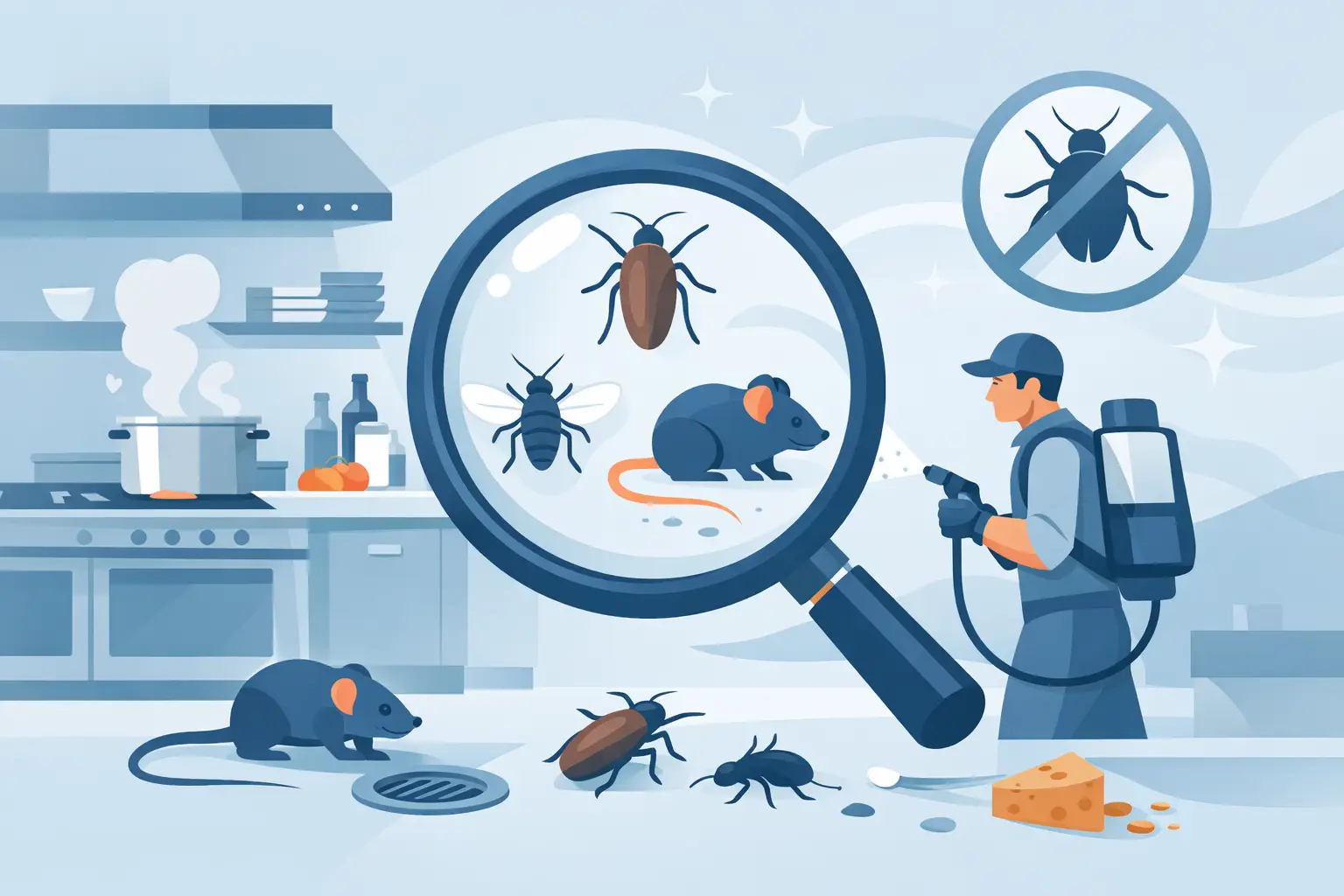
A single cockroach under a prep table or rodent droppings near dry storage can create much more than an uncomfortable moment. It can lead to discarded inventory, failed health inspections, employee stress, and damage to the reputation you have worked hard to build. This commercial kitchen pest prevention guide focuses on the practical habits that keep pests from finding food, water, shelter, and easy entry points in the first place.
For restaurants, cafeterias, bakeries, bars, and shared commercial kitchens across South King County, prevention works best when it is part of the daily operation – not a task saved for the next inspection or visible pest sighting.
Why Commercial Kitchens Attract Pests
Commercial kitchens offer exactly what common pests need: steady warmth, water, food residue, hiding places, and frequent deliveries. Roaches thrive around hot equipment, dish areas, drains, and cardboard. Rodents look for gaps around utility lines, loading doors, and exterior foundations, then follow food odors indoors. Flies breed where moisture and organic buildup collect, especially in floor drains, mop sinks, dumpster areas, and recycling stations.
The Pacific Northwest adds another factor. Wet weather can push rodents indoors, while moisture around buildings supports flies and other nuisance pests. A clean kitchen is a strong start, but sanitation alone will not solve an issue if a back door does not seal, a floor drain is neglected, or supplies arrive in pest-friendly packaging.
Commercial Kitchen Pest Prevention Guide: Start With Daily Sanitation
Pests do not need a large food spill to establish themselves. Grease film behind equipment, crumbs in a drawer track, beverage syrup around a dispenser, and a few bits of food under a reach-in cooler can be enough. The goal is to remove those opportunities before closing each day.
Cleaning should reach beyond the visible counters. Move portable equipment when possible, clean beneath shelving, and pay attention to the narrow gaps around fryers, ovens, dishwashers, and refrigeration units. Grease buildup is especially attractive to cockroaches and flies, so make hood, wall, and floor-edge cleaning part of the routine instead of an occasional deep-cleaning project.
Closing staff should also empty interior trash, wipe down bins, and take garbage to a properly managed exterior container. Bags left overnight indoors provide an easy meal for roaches and rodents. Rinse recyclables that held food or sugary drinks before placing them in collection bins.
A useful end-of-shift check includes these five areas:
- Prep surfaces, small appliances, and floor edges are free of food residue.
- Trash and recycling are removed or sealed tightly.
- Mop buckets are emptied, rinsed, and stored dry.
- Food is covered and stored off the floor.
- Floor drains and dish areas have no standing water or organic buildup.
Consistency matters more than occasional perfection. A well-used checklist helps every shift follow the same standard, even during a busy weekend service.
Store Food and Supplies the Right Way
Dry storage is often where small pest activity becomes a larger issue. Keep ingredients in sealed, pest-resistant containers whenever practical. Open bags of flour, rice, sugar, pet food, and baking ingredients are easy targets for rodents and pantry pests. Label containers clearly and use first-in, first-out rotation so older products do not sit untouched in the back of a shelf.
Store food and paper goods at least six inches off the floor and leave enough clearance from walls for cleaning and inspection. This makes it harder for pests to hide unnoticed and easier for employees to spot droppings, gnaw marks, insect activity, or damaged packaging.
Cardboard deserves special attention. Deliveries can bring in cockroaches, stored-product pests, and egg cases. Break down boxes quickly, inspect incoming shipments before moving them into storage, and move cardboard to an exterior recycling area as soon as possible. If your operation receives frequent deliveries, assign this responsibility to a specific shift rather than assuming someone will handle it.
Control Moisture Before It Becomes a Pest Problem
Water is often the missing piece in a pest problem. A kitchen can be spotless and still support roaches or rodents if there is a slow leak under a sink, condensation behind a cooler, or standing water near a drain.
Check plumbing beneath sinks, behind dishwashing equipment, around ice machines, and near beverage lines. Repair leaks promptly, even small ones. Keep drains clean and flowing, and make sure floor drains have functioning drain covers where appropriate. Drain maintenance is especially important for fly prevention because organic material inside drains can support breeding.
Do not overlook the exterior. Water pooling near the building, clogged gutters, and poorly maintained dumpster pads can draw pest activity closer to your kitchen. The right solution depends on the property, but the principle is simple: reduce moisture and make the area around the building less inviting.
Seal Entry Points and Protect Receiving Areas
A pest prevention plan needs to address how pests get inside. Rodents can enter through surprisingly small gaps, while flies and crawling insects use worn weather stripping, damaged screens, open doors, and utility penetrations.
Inspect exterior doors for daylight around the edges and install or replace door sweeps when needed. Keep receiving and back doors closed except during active loading. If staff need airflow during hot shifts, a maintained air curtain may help, but it is not a substitute for door discipline or proper sealing.
Look around pipes, conduits, vents, and utility lines entering the building. Gaps should be sealed with materials appropriate for the location and building requirements. Damaged screens, cracked vents, and gaps around loading areas should be corrected quickly. Exclusion work can prevent a recurring rodent issue from becoming a long-term trapping cycle.
Watch for Early Warning Signs
Early detection protects your kitchen, inventory, and schedule. Train employees to report pest evidence right away rather than waiting to see an actual pest. Common signs include droppings, grease marks along walls, gnawed packaging, unusual odors, insect skins, fly activity near drains, and small holes around utility areas.
Keep a simple sighting log with the date, location, pest type if known, and any conditions nearby, such as a leak or open food container. Patterns are valuable. Three flies near one drain may point to a sanitation issue in that location. Repeated rodent evidence near a receiving door may indicate an exterior gap or delivery-area problem.
Avoid relying on over-the-counter sprays as the main response. In food-service settings, improper product use can create safety concerns, scatter pests into new hiding areas, and fail to address the source. A professional plan should identify the pest, inspect the conditions supporting it, and use targeted treatment only where it makes sense.
Build Pest Prevention Into Staff Training
The best pest plan is one employees can follow during a real shift. Keep expectations clear and practical: report sightings, clean spills immediately, close exterior doors, remove cardboard, and do not store food or personal snacks in lockers, offices, or unapproved areas.
Managers should include pest prevention in opening and closing procedures, new-hire training, and periodic kitchen walk-throughs. It does not need to be a lengthy meeting. A five-minute review after a recurring issue can prevent it from happening again.
Some responsibilities also belong to property owners or maintenance teams, particularly exterior repairs, plumbing, landscaping, and dumpster conditions. For tenants in multi-unit buildings, document concerns early and communicate them clearly. Pest pressure can move between neighboring spaces, so fast coordination matters.
When to Bring in Commercial Pest Control
Call for professional help when you see recurring activity, rodent evidence, cockroaches, persistent flies, damaged food packaging, or signs that pests are entering through the building. Waiting until an inspection is scheduled puts your operation in a difficult position. Fast service is especially valuable when a sighting occurs during business hours or before a major event.
A dependable commercial pest provider should inspect the full picture: kitchen and storage areas, drains, exterior conditions, entry points, employee practices, and pest evidence. Treatment may be necessary, but long-term protection comes from monitoring, exclusion, sanitation recommendations, and follow-up visits.
Plateau Pest helps South King County businesses address urgent pest concerns with practical, EPA-approved treatment options and ongoing service plans designed around business operations. The right plan should protect your workplace without creating unnecessary disruption for staff or guests.
Make pest prevention part of the way your kitchen closes, receives deliveries, and maintains the building each week. Small corrections made early are usually far easier – and far less costly – than handling a pest problem after it reaches the dining room, a storage shelf, or an inspector’s report.